The adventure in Wales continues as a slightly painful, disastrous experience, somehow juxtaposed against beautiful scenery and mystical castles. I am beginning to understand how the stereotype of a rugged grumpy Welshman has come to be. So if you ever find yourself in northern Wales, I suggest you take the opportunity to breath in plenty of fresh air, take long miserable walks, and surrender yourself to the peace and tranquility that surrounds you.
Of course, peace and tranquility are great and everything, but there's only so much poignant riverside meditation and sheep watching you can do, so I suggest you take a wander around these places as well:
 Beaumaris Castle - I'm not a huge fan of castles. They're a bit like churches or temples if you ask me, but Beaumaris Castle is definitely worth a visit. It is one of the most complete castles in Wales, and I am told it is a beautiful sample of Edwardian architecture. Even if you're not that into architecture, it is a really great interactive experience, its numerous walls and tunnels offering plenty of opportunities to explore and let your imagination run wild. Once you make it out of the dark slightly creepy tunnels within the castle walls, you can meander on top of these same walls and enjoy the refreshing green-ness of surrounding fields. You can easily spend an hour if not more at this site. It is also child friendly and has mini playground with a bouncy castle next door.
 Chester - Although not technically a Welsh city, at least a fourth of it is in Wales so it counts. It is home to the Chester racecourse, known as Roodee, the oldest racecourse still in use in England. Races take place throughout the year, with special racing festivals in August and May. These offer a great chance to don your best heels and grandest hats, and make like Eliza Doolitle and holler "move yer bloomin' arse!" at passing strangers (or horses). Aternatively, you can wander around and admire the wonderfully preserved and restored medieval architecture, and walk a top the city walls.
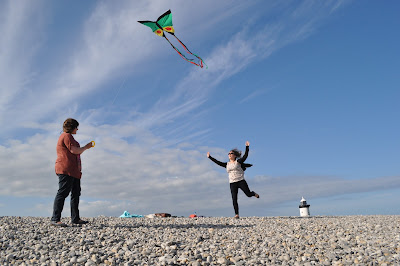
 Trwyn Du Lighthouse - A visit to the lighthouse on a beautiful day is like stepping into a picture postcard. Your frustrations instantly melt away as soon as you step onto those white pebbles and feel the heat of the overhead sun. It is a great place for lounging, reading, drawing, flying kites or crab fishing. Across the water you will also see Puffin Island, the ninth largest island off the coast of Wales and more excitingly, a Special Protection Area for coastal wild life such as Puffins and Great Cormorants. If you look hard enough you might even catch site of one (or both) of the seals that live in the bay.
Of course, peace and tranquility are great and everything, but there's only so much poignant riverside meditation and sheep watching you can do, so I suggest you take a wander around these places as well:
 Beaumaris Castle - I'm not a huge fan of castles. They're a bit like churches or temples if you ask me, but Beaumaris Castle is definitely worth a visit. It is one of the most complete castles in Wales, and I am told it is a beautiful sample of Edwardian architecture. Even if you're not that into architecture, it is a really great interactive experience, its numerous walls and tunnels offering plenty of opportunities to explore and let your imagination run wild. Once you make it out of the dark slightly creepy tunnels within the castle walls, you can meander on top of these same walls and enjoy the refreshing green-ness of surrounding fields. You can easily spend an hour if not more at this site. It is also child friendly and has mini playground with a bouncy castle next door.
 Chester - Although not technically a Welsh city, at least a fourth of it is in Wales so it counts. It is home to the Chester racecourse, known as Roodee, the oldest racecourse still in use in England. Races take place throughout the year, with special racing festivals in August and May. These offer a great chance to don your best heels and grandest hats, and make like Eliza Doolitle and holler "move yer bloomin' arse!" at passing strangers (or horses). Aternatively, you can wander around and admire the wonderfully preserved and restored medieval architecture, and walk a top the city walls.
 Trwyn Du Lighthouse - A visit to the lighthouse on a beautiful day is like stepping into a picture postcard. Your frustrations instantly melt away as soon as you step onto those white pebbles and feel the heat of the overhead sun. It is a great place for lounging, reading, drawing, flying kites or crab fishing. Across the water you will also see Puffin Island, the ninth largest island off the coast of Wales and more excitingly, a Special Protection Area for coastal wild life such as Puffins and Great Cormorants. If you look hard enough you might even catch site of one (or both) of the seals that live in the bay.


